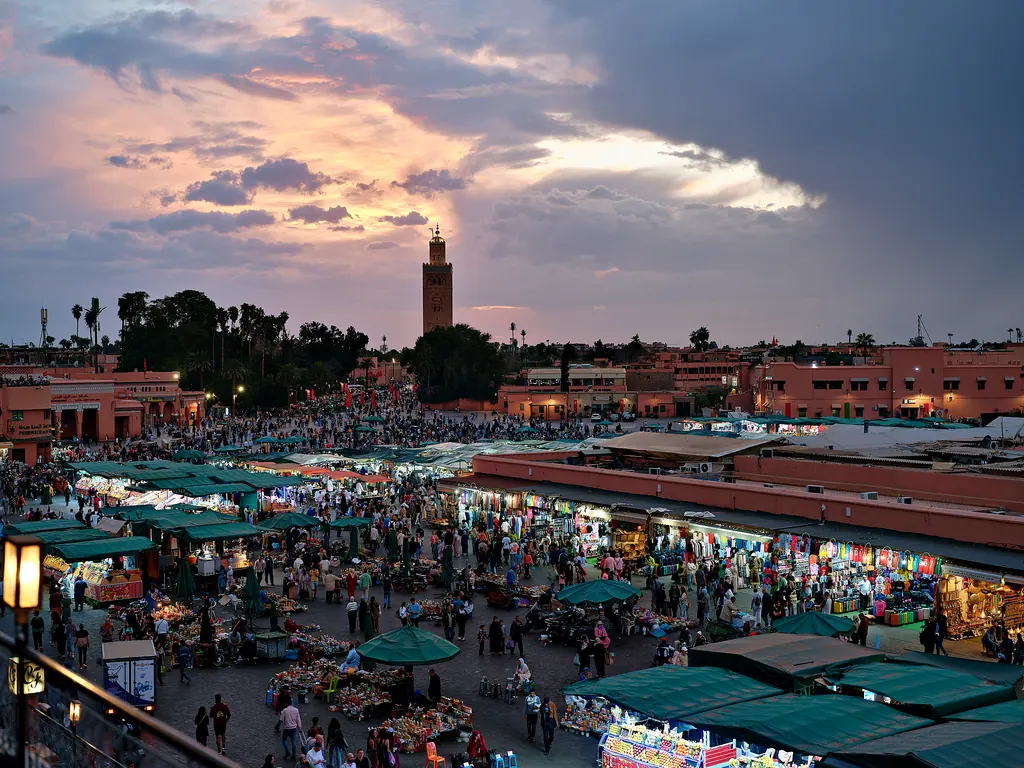
Morocco is one of those trips where your suitcase comes home heavier than it left. Marrakech and Fes turn shopping into part of the day: spice cones stacked like traffic cones, leather slippers in every color, carpets that somehow fold smaller than you expect. The skill is knowing what is worth buying, what is worth skipping, and what U.S. Customs will shrug at when you land.
Here is a practical guide to souks, argan oil, leather and carpets, with haggling notes and CBP rules for Americans bringing goods home in 2026.
Marrakech and Fes: two shopping personalities
Marrakech funnels visitors into the medina around Jemaa el-Fnaa and the lanes that branch off it. Expect density, performance, and sellers who have seen every tourist trick. It is excellent for a first look at spices, lanterns, light textiles and small leather goods. Prices open high. Walking away is part of the script.
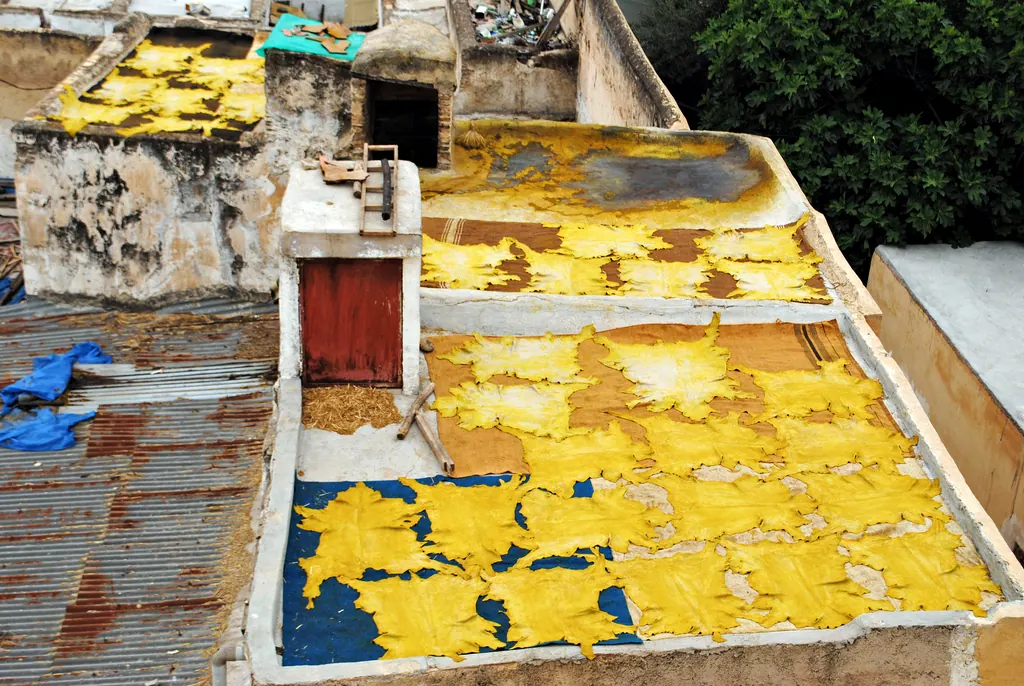
Fes feels more workshop than stage, especially around the historic tanneries and the covered market streets. Leather, metalwork and serious carpets are the draw. The medina is a maze; a fixed-price cooperative or a recommended shop often beats a random stall for larger purchases.
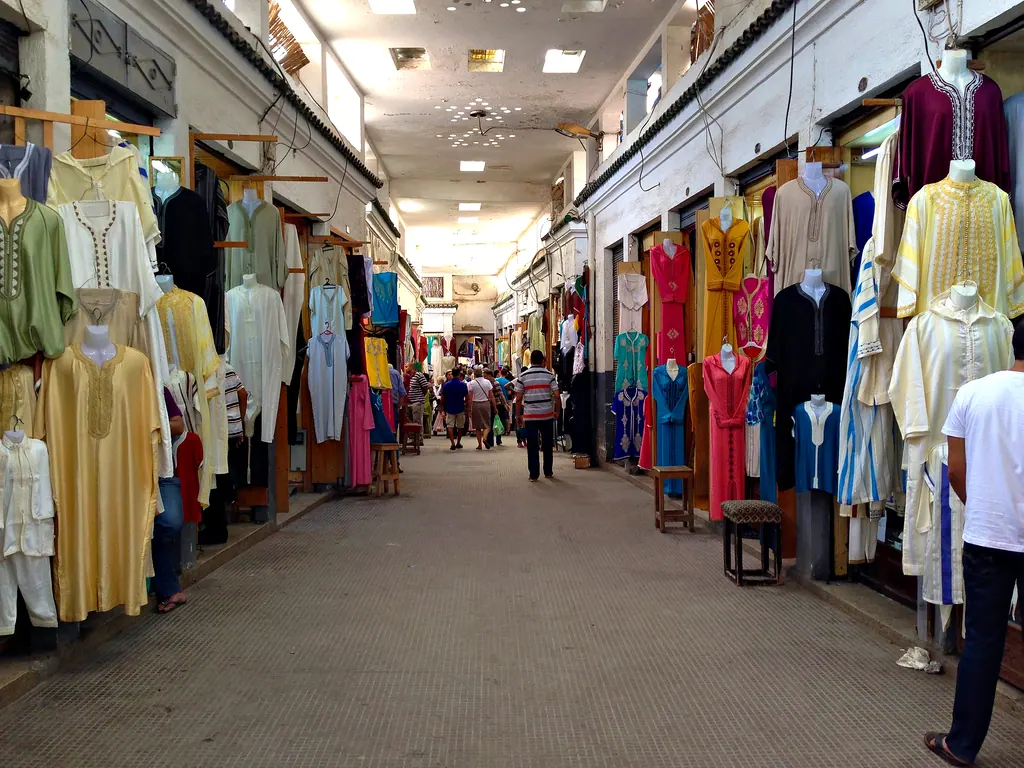
What is actually worth bringing home
Argan oil. Culinary argan oil (from roasted kernels) smells toasted and nutty. Cosmetic oil is milder. Fake or diluted bottles are common in tourist stalls. A safer bet is a named women's cooperative with a fixed price. As a 2026 reference point, cooperative listings around Essaouira have shown culinary oil near 125 MAD for 250 ml (about $13) and cosmetic oil near 120 MAD for 100 ml (about $12). A souk price far below those levels is a warning, not a bargain.
Leather. Babouches (slippers), bags and poufs in cow, goat or camel leather are Morocco's everyday craft. Ordinary commercial leather is fine for U.S. import. Skip anything that looks like exotic skin, ivory, tortoiseshell or protected species parts. Those can be seized under CITES rules.
Carpets and rugs. Beautiful, heavy, and easy to overpay for. Ask what the fiber is (wool, cotton, blend), where it was made, and whether the shop will ship. For pieces you can roll into checked luggage, carrying them yourself is usually simpler for U.S. customs than shipping.
Spices and tea. Buy what you will use. Keep spices in original or well-sealed packaging. Declare food products when you return; agricultural rules are the part travelers forget.
Ceramics, metalwork, textiles. Tagines, tea glasses, lanterns and scarves travel well if you pack for breakage. Prefer items you can carry on or check rather than ship.
How haggling works without the theater
- Ask the price first. Let the seller open.
- Counter at roughly half to two-thirds on tourist-heavy stalls, then meet in the middle. There is no universal formula.
- Compare two or three stalls for the same item before you commit.
- Cash in Moroccan dirhams still talks. Cards appear in larger shops; small stalls are often cash-only.
- Fixed-price cooperatives and modern boutiques in Gueliz (Marrakech's newer district) are not haggling arenas. Pay the listed price.
Exchange rates move, but in early November 2026 one dirham was about $0.10, or roughly 9.7-9.8 MAD per dollar. Mentally divide MAD prices by 10 for a quick dollar check, then refine.
What U.S. Customs (CBP) expects when you return
For most U.S. residents returning from Morocco after at least 48 hours abroad, the personal duty-free exemption is generally $800 of accompanying goods for personal or household use, as long as you declare them and have not already used the exemption in the past 30 days. Details and exceptions live on CBP's "What to Expect When You Return" guidance. Shipped goods usually do not count toward that accompanying exemption.
Practical habits that prevent airport stress:
- Keep receipts in one envelope in your carry-on
- Declare everything when asked; undeclared items risk seizure
- Do not pack ivory, tortoiseshell, coral souvenirs or mystery animal skins
- Argan oil, ordinary leather, wool carpets, ceramics and textiles are normally straightforward for personal use
- If a rug or furniture piece ships separately, ask the shop who pays duty on arrival and get the shipping quote in writing
Morocco and the United States also have a free trade agreement that can affect commercial imports. For a suitcase of personal souvenirs, the personal exemption and declaration rules matter more than FTA paperwork.
A sane shopping day plan
Morning in the medina for browsing and price calibrating. Midday break (souks heat up and densify). Late afternoon for the one or two purchases you actually want, when you already know the going rate. Leave bulk spices and liquid argan for last so you are not carrying glass all day.
If you want destination context beyond the stalls, start with Morocco and the wider Africa tag. For how shopping articles sit among other themes on the site, see shopping. And when you compare packing rules on the flight home, our flights tips pair well with a full carry-on of gifts.
Frequently asked questions
What should I buy in Morocco?
Argan oil from a named cooperative, ordinary leather babouches or bags, spices you will use, ceramics and a carpet you can afford and carry. Skip ivory, tortoiseshell and exotic skins.
How much is the U.S. duty-free allowance from Morocco?
Most returning U.S. residents who have been abroad at least 48 hours can bring about $800 of accompanying personal goods duty-free if they declare them and have not used the exemption in the past 30 days. Confirm current CBP rules before you fly.
Is argan oil in the souks real?
Often it is diluted. Prefer a women's cooperative with a fixed price. Culinary oil should smell toasted and nutty; a price far below cooperative rates is a red flag.
Should I haggle in Moroccan souks?
Yes in tourist medina stalls. Let the seller open, compare a few shops, and walk away if the gap stays silly. Fixed-price cooperatives and many modern boutiques are not haggling zones.