Ask an American what Christmas tastes like and you will probably hear about ham, turkey, sugar cookies and eggnog. Ask the same question in Tokyo, Manila or Lisbon and the answers change completely: a bucket of fried chicken, a rice cake baked over coals before dawn, a plate of salt cod with boiled cabbage.
Holiday food is one of the most direct ways into another culture, because it is where families hold on to traditions the longest. We picked eight places where the Christmas table is worth traveling for, from the Caribbean to the edge of the Arctic, and where you can still taste the season if you visit in December.
Japan: Fried Chicken and Strawberry Shortcake
Christmas in Japan is not a religious holiday for most people, and Christmas Eve is often treated as a night for couples. Its most famous meal is the result of a marketing campaign. KFC Japan launched its national "Kentucky for Christmas" campaign in 1974, built on the idea that fried chicken could stand in for the turkey that was hard to find in Japan. It caught on so well that families still preorder their Christmas buckets weeks ahead.
The other essential is the Christmas cake: a light sponge layered with whipped cream and topped with fresh strawberries. You will see it in every bakery and convenience store window in the days before December 25. If you are planning a trip, our guide to Japan in December covers the winter lights and weather.
The Philippines: Bibingka After Dawn Mass
The Philippines has one of the longest Christmas seasons in the world, and much of it revolves around food. From December 16 to 24, many Filipinos attend Simbang Gabi, a series of nine dawn Masses. Outside the churches, vendors sell two treats that have become part of the ritual.
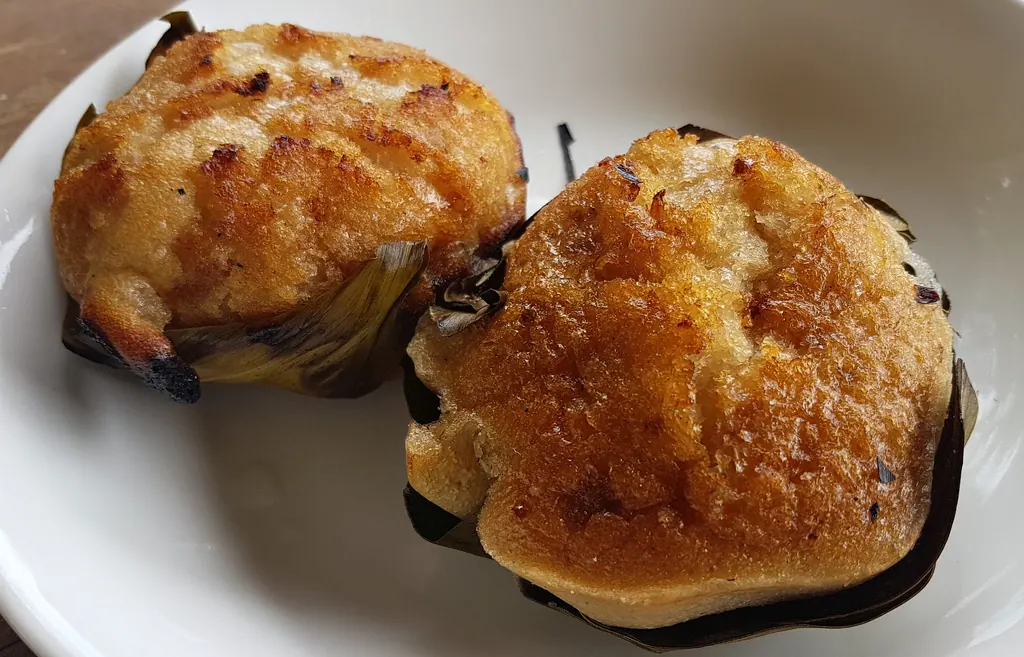
Bibingka is a rice cake baked in a clay pot lined with banana leaves, with hot coals both underneath and on top. It is often finished with butter, sugar, grated coconut, salted egg or white cheese. Puto bumbong is purple sticky rice steamed in bamboo tubes and served with butter, sugar and coconut. On Christmas Eve, families gather for Noche Buena, where a glazed ham and a round of queso de bola (Edam cheese) are classic. Read more in our guides to food in the Philippines and festivals in the Philippines.
Mexico: Tamales, Ponche and the Rosca
In Mexico, the season starts with the nine nights of Las Posadas (December 16 to 24), which we describe in our article on Las Posadas. Tamales are the food that ties it all together. Families often make them in huge batches, wrapped in corn husks or banana leaves, with fillings that change from region to region.
To drink, there is ponche navideño, a hot fruit punch with tejocotes (a small fruit similar to crab apple), guava, sugarcane, cinnamon and piloncillo (unrefined cane sugar). On Christmas Eve, many households also serve bacalao a la vizcaína, salt cod stewed with tomatoes, olives and peppers.
The season does not end on December 25. On January 6, Three Kings Day, families share a rosca de reyes, a ring-shaped sweet bread with a small figurine of the baby Jesus baked inside. Whoever finds it is expected to host a tamale party on February 2, Candlemas Day.
Puerto Rico: Coquito and Lechón
Puerto Rico likes to say it has the longest Christmas in the world, with celebrations running from Thanksgiving to the Fiestas de la Calle San Sebastián in Old San Juan in mid-January. Food is at the center of every party, including the parrandas, when friends show up at your door late at night to sing and expect to be fed.
The drink is coquito, a creamy mix of coconut milk, condensed milk, rum and cinnamon that is often compared to eggnog, though islanders will tell you it is better. The main dish is lechón asado, slow-roasted pork with crackling skin, served with arroz con gandules (rice with pigeon peas) and pasteles, a cousin of the tamale made from green banana and root vegetable dough wrapped in plantain leaves. Our overview of Caribbean food and drink has more island specialties.
Italy: Panettone From Milan
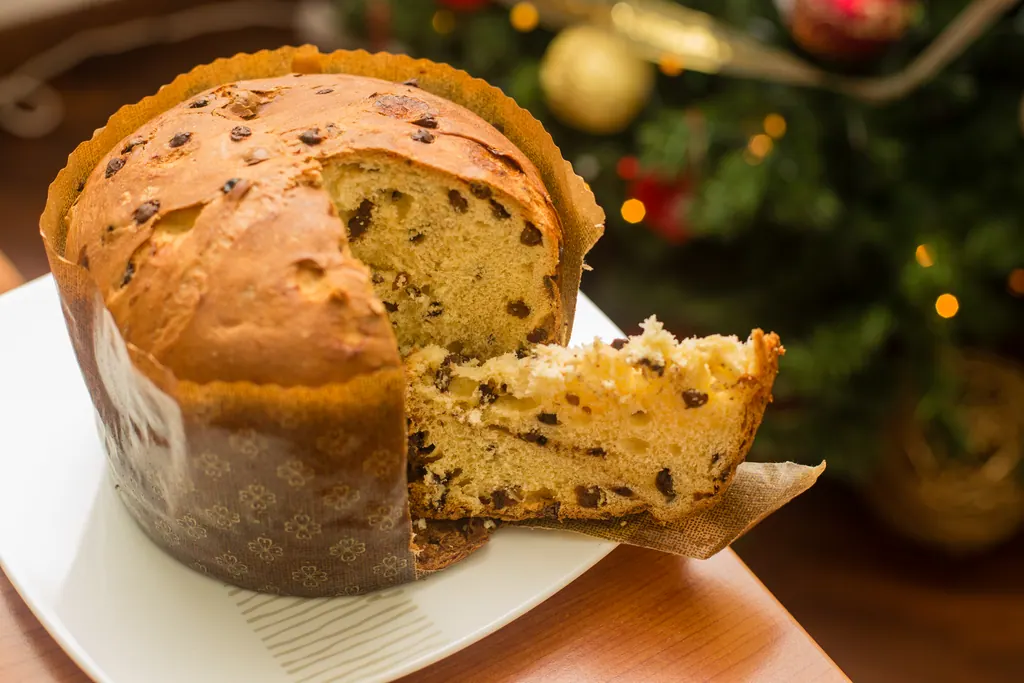
Few holiday foods have traveled as far as panettone, the tall, domed sweet bread from Milan, studded with candied citrus and raisins. Good panettone takes days to make, because the dough rises slowly with natural leavening. Italy takes it seriously enough that a 2005 ministerial decree sets minimums for anything sold under the name: at least 16 percent butter, 4 percent egg yolk and 20 percent raisins and candied citrus peel.
Verona has its own answer, the star-shaped and fruit-free pandoro, dusted with powdered sugar. In much of southern Italy, Christmas Eve is a meatless vigil with fish and seafood. The big Italian-American "Feast of the Seven Fishes" grew out of that tradition, although the name itself is more common in the U.S. than in Italy.
Provence, France: The Thirteen Desserts
In Provence, Christmas Eve ends with one of the most charming food traditions in Europe. After the gros souper, a simple meatless supper, the table is set with thirteen desserts, a number that symbolizes Christ and the twelve apostles, according to the Provence-Alpes-Côte d'Azur tourist board.
The exact list varies by family and village, but it usually includes a sweet olive oil bread (pompe à l'huile), white and black nougat, dates, fresh fruit, and the "four beggars": dried figs, raisins, almonds and walnuts or hazelnuts, said to represent four monastic orders. Many families also add calissons, the almond candies of Aix-en-Provence. Elsewhere in France, the classic finale is the bûche de Noël, a sponge cake rolled and decorated to look like a log.
Portugal: Salt Cod on Christmas Eve
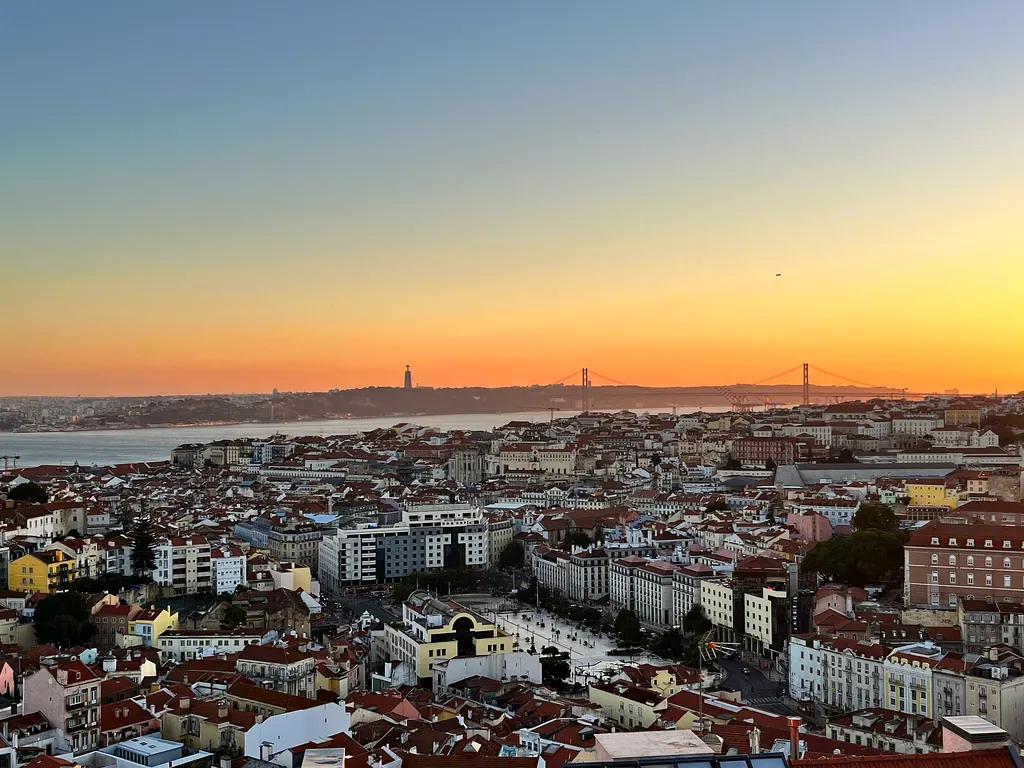
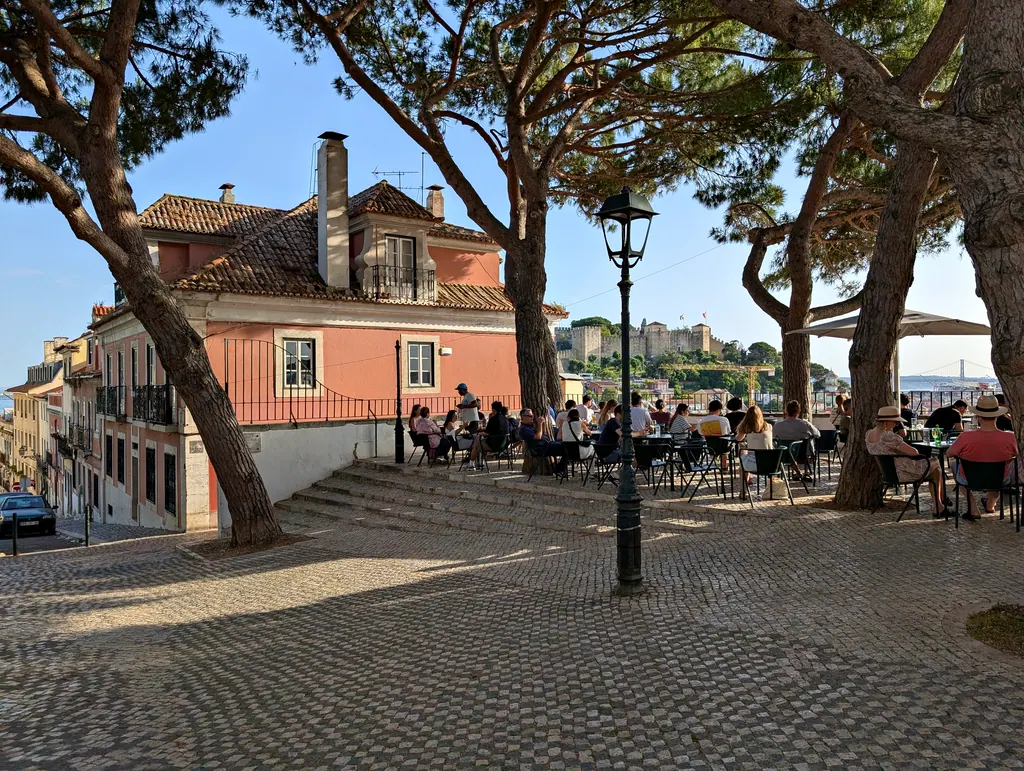
The Portuguese Christmas Eve dinner, called the consoada, is built around bacalhau, dried salt cod, which has been part of Portugal's diet for centuries. The traditional version is "bacalhau com todos," cod "with everything": boiled potatoes, cabbage, eggs and sometimes chickpeas, all generously dressed with olive oil and garlic.
Dessert is a spread of fried sweets such as rabanadas (a Portuguese cousin of French toast) and filhós, and above all the bolo-rei, a crown-shaped cake covered with candied fruit and nuts. Traditionally, a dried fava bean was hidden inside, and whoever found it was supposed to buy next year's cake.
Iceland: Leaf Bread and Smoked Lamb
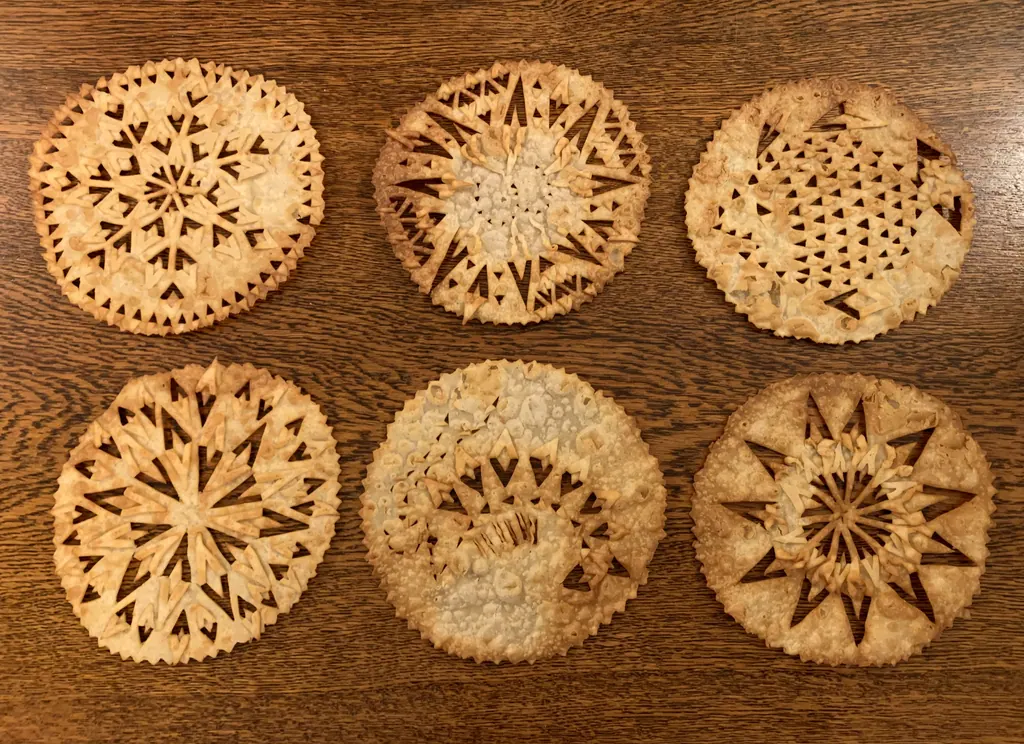
Iceland's Christmas food is shaped by long winters and a history of scarcity. Laufabrauð, or leaf bread, is a paper-thin round of dough cut by hand into intricate patterns and then fried. The tradition comes from northern Iceland, where flour was once so expensive that the bread had to be rolled as thin as possible. Many families still gather on a December weekend to cut and fry it together.
Christmas Day often means hangikjöt, smoked lamb, served with potatoes in white sauce, peas and red cabbage. The bravest dish comes earlier: on December 23 (Þorláksmessa), some Icelanders eat fermented skate, which has a smell that is famous for all the wrong reasons.
How to Taste Christmas on the Road
The easiest way to try these dishes as a visitor is not in restaurants but at markets, bakeries and church squares in December. Look for bibingka stalls outside Manila churches after dawn Mass, panettone in any Milan pastry shop from November, and coquito at holiday markets in San Juan. In Europe, Christmas markets are a good start; we cover Germany's in our guide to German Christmas market food, and Poland's twelve-dish Christmas Eve in our article on Wigilia.
If you are invited into a home, say yes. The best version of almost every dish on this list is the one someone's grandmother makes.
Frequently asked questions
Why do people in Japan eat KFC at Christmas?
It goes back to KFC Japan's national "Kentucky for Christmas" campaign in 1974, which promoted fried chicken as a Christmas meal. It became a lasting tradition, and many families preorder weeks ahead.
What are the 13 desserts of Christmas in Provence?
They are served after the Christmas Eve supper and symbolize Christ and the twelve apostles. The list varies, but usually includes olive oil bread, white and black nougat, dates, fresh fruit and dried figs, raisins, almonds and nuts.
What is coquito?
Coquito is Puerto Rico's Christmas drink, a creamy mix of coconut milk, condensed milk, rum and cinnamon, often compared to eggnog.
What do Filipinos eat at Christmas?
Bibingka and puto bumbong are sold outside churches during the Simbang Gabi dawn Masses, and the Christmas Eve Noche Buena often includes ham and queso de bola.